


What Is a Water Well, and How Does It Supply Water at Home?
A water well is a specially drilled hole in the ground that taps into underground water sources, known as aquifers, providing a steady supply of water for household use. In Monroe, GA, many rural and some suburban homes rely on wells rather than municipal water lines. Wells deliver water by using pumps that bring it up from underground, directly to your kitchen, bathrooms, laundry, and outside faucets.
Most wells in the area are called “drilled wells,” which means they’re created using heavy-duty drilling machinery to reach deeper aquifers for consistent water quality and volume. Once the well is drilled, a pipe is installed, capped, and fitted with a pump system.
Where Does Well Water Come From Beneath Monroe?
Well water in Monroe typically comes from aquifers — naturally occurring underground layers of water-bearing sand, gravel, or rock. These aquifers are replenished by rain and natural groundwater movement. The geology in this part of Georgia means water is accessed from zones usually 100 to 400 feet below ground, though precise depth varies by property.
Contrary to some assumptions, water does not gather in large underground lakes or caverns. Instead, it slowly moves through porous rock or soil. The effectiveness and stability of a well depend on the location and health of these aquifer layers.
How Does the Water Get from the Well to the Faucet?
After the well is drilled and reaches an aquifer, a submersible pump (usually electric) is placed down the well casing. This pump pushes water up through piping to a pressure tank in or near the home. The pressure tank acts like a reservoir and helps maintain consistent water pressure.
When you turn on a faucet, valves open and water is pulled from the pressure tank, automatically activating the pump as pressure drops, refilling the tank as needed. Most modern systems include features like pressure switches and safety cut-offs to manage flow and protect equipment.
What Are Common Local Questions About Water Quality and Safety?
Monroe’s well water quality typically meets or exceeds regulatory standards if the well is properly constructed and maintained. However, homeowners are sometimes concerned about:
- Hardness (minerals such as calcium and magnesium)
- Iron staining in sinks or tubs
- Occasional sediment or cloudy water, especially after heavy rain
- Potential for contamination from nearby agriculture, septic systems, or surface pollutants
Routine water testing for bacteria, nitrates, and minerals is wise. Installing appropriate filtration or softening systems can address most aesthetic or taste concerns. Most issues are manageable with periodic inspections and proactive care.
Can Wells Run Dry in the Area?
Wells in Monroe are designed to reach productive, stable aquifers, but they are not completely immune to drought or overuse. Periods of very low rainfall can lower water tables, especially during long hot summers common in this region. Signs that a well may be struggling include:
- Noticeably reduced water pressure
- Sputtering taps or unusual noises from the pump
- Sudden changes in water clarity or taste
Proper well placement, enough well depth, and mindful water use typically prevent most shortages. Local geology tends to support reliable supply, but the community’s water use habits and seasonal swings still matter.
How Is a New Well Drilled and Approved in the Community?
The process starts with site selection, focusing on setbacks from septic fields, livestock, and possible sources of contamination as required by Walton County health codes. A drilling rig then creates a borehole to the appropriate depth, followed by steel or PVC casing installation to protect the well from ground-level pollutants.
After the casing is set, the surrounding gap may be sealed with grout to further block contamination. The well is disinfected, a pump is installed, and initial testing is performed. Wells must comply with state and local regulations, often requiring documentation and an inspection before considered safe for daily use.
What Maintenance Does a Well System Require?
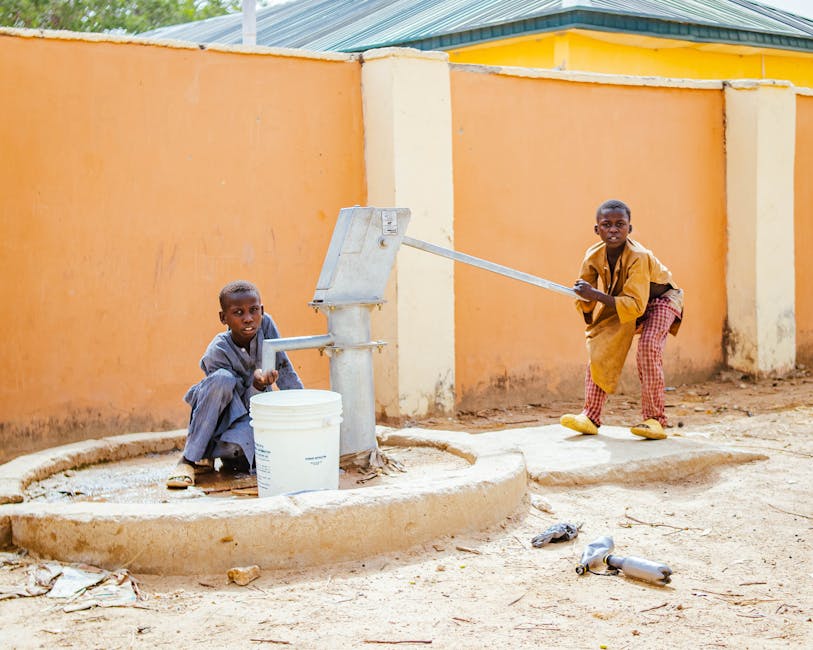
Water wells are generally low-maintenance, but regular care helps ensure long-term safety and reliability. Monroe households should:
- Test water quality at least once a year for bacteria and common contaminants
- Visually inspect the well cap and casing for cracks or tampering
- Listen for pump noises that change suddenly, which may signal mechanical issues
- Keep hazardous chemicals, fuel, and waste far from the well site
Pumps can last 10-20 years, and pressure tanks may last just as long with basic upkeep. Sediment or carbon filters, if present, should be replaced according to manufacturer guidelines.
What Are Misconceptions About Residential Wells?
Some common misunderstandings include the belief that:
- Well water is always “untreated” or “natural”—while it often needs less processing than city water, it still may require filtration.
- Deeper wells always mean better water—quality depends more on the aquifer than the depth.
- Wells are immune to contamination—surface spills, faulty septic systems, or improper well caps can all introduce risks.
Many believe wells can "last forever," but like any home utility, periodic investment and attention prevent most issues.
Are There Special Considerations for Monroe Residents?
Local households should be aware that the city’s clay-based soils and rolling topography can affect drilling depth and water volume. Heavy rains can sometimes cause surface runoff into improperly sealed wells. Residents often use well water for everything from daily drinking to landscape irrigation, so periodic checks after seasonal weather changes are encouraged.
Additionally, some sections of Monroe may have legacy wells that pre-date modern codes. If living in an older house, consider reviewing well documentation or seeking guidance from local public health resources to ensure current safety standards are met.


